
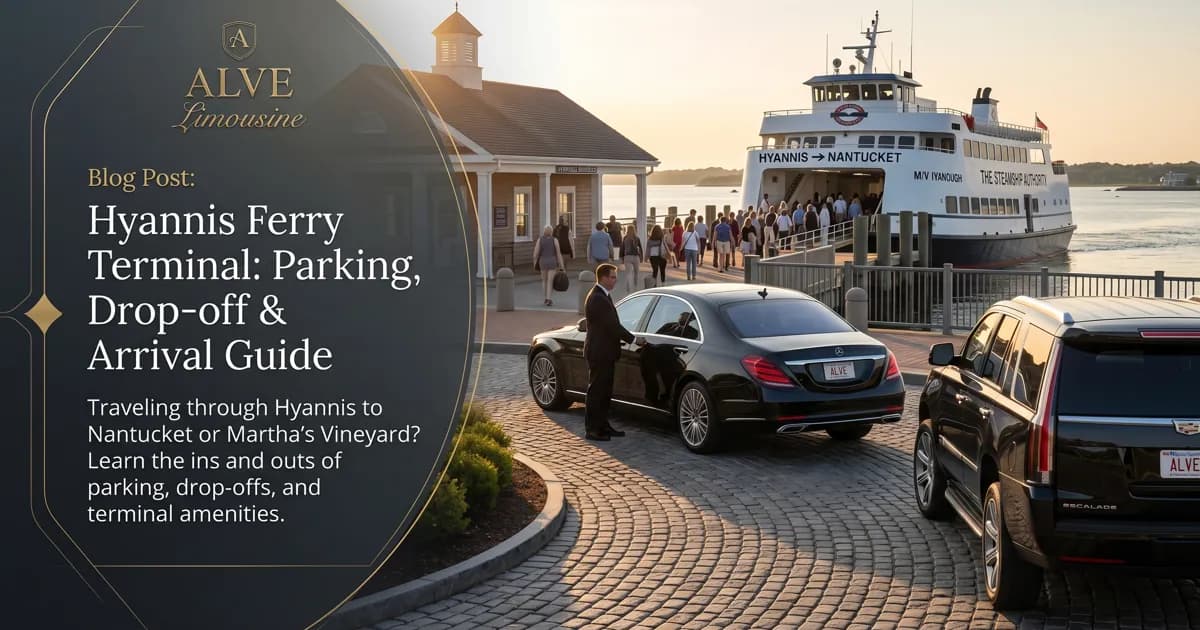
If you're taking a ferry to Nantucket or Martha's Vineyard, you'll likely pass through the Hyannis ferry terminal area. The harbor actually hosts two distinct terminals located just minutes apart. Here is how to navigate them.
Understanding the Terminal Layout
The Hyannis harbor features two distinct ferry terminals: Steamship Authority on South Street for Nantucket and Hy-Line Cruises on Ocean Street for both Nantucket and Martha's Vineyard. These locations are only minutes apart, making navigation clear and simple.
The Hyannis harbor hosts two primary ferry terminals: Steamship Authority on South Street for Nantucket and Hy-Line Cruises on Ocean Street for Nantucket and Martha's Vineyard. These distinct locations are only minutes apart, making navigation straightforward once you understand their individual positions within the busy harbor.
The Hyannis harbor is busy. On the west side of the inner harbor, you'll find the Steamship Authority terminal on South Street. Further east along the water is the Hy-Line Cruises terminal on Ocean Street.
| Terminal | Address | Destinations | Vessel Types |
|---|---|---|---|
| Steamship Authority | 69 South Street | Nantucket | High-Speed & Traditional (Cars) |
| Hy-Line Cruises | 220 Ocean Street | Nantucket & Martha's Vineyard | High-Speed Passenger Only |
Parking Information
Parking near Hyannis ferry terminals is primarily off-site, with shuttle services provided due to high demand. Steamship Authority uses lots on Yarmouth Road or Route 132, while Hy-Line Cruises has its own designated overflow areas. Daily rates typically range around $25-$30, so planning ahead for parking is essential.
Steamship Authority Parking: The main terminal rarely has open parking. You will be directed to off-site lots on Yarmouth Road or Route 132. Daily rates hover around $25. Free shuttle buses constantly loop between the lots and the terminal.
Hy-Line Parking: Hy-Line has its own designated lots near the Ocean Street dock. These also fill up very fast in the summer, pushing late arrivals to overflow lots.
Drop-off vs. Parking
Opting for designated drop-off zones at Hyannis ferry terminals avoids parking challenges and shuttle wait times. For superior convenience, a private car service like ALVE Limousine offers direct curbside delivery, ensuring a smooth and effortless transition from your vehicle to the ferry without any parking concerns.
Using designated drop-off zones at both Hyannis ferry terminals avoids parking challenges and shuttle wait times. For superior convenience, a private car service like ALVE Limousine offers direct curbside delivery, ensuring a smooth and effortless transition from your vehicle to the ferry without any parking concerns.
If someone is dropping you off, both terminals have designated brief unloading zones. Navigating the traffic near the docks can be slow, but it saves you the cost and time of the parking shuttles. Skip the parking headache entirely: one option is to use a direct car service. Our Boston to Hyannis Ferry service pulls right up to the unloading zone.
Last-Minute Ticket Tips
Always secure your Hyannis ferry tickets online well in advance, especially for summer travel, as on-site purchases are rarely an option. Arriving early provides ample time to explore the charming harbor area, filled with delightful seafood restaurants and cafes, making your wait a pleasant part of the journey.
Never assume you can buy a ticket on arrival during summer weekends. Always buy your tickets online in advance. If you arrive early, the harbor area is packed with excellent seafood restaurants, cafes, and small parks to wait in.
Frequently Asked Questions
This section addresses common inquiries regarding Hyannis ferry terminals, covering essential details like parking costs, shuttle availability, recommended arrival times, and the walking distance between the Steamship Authority and Hy-Line terminals. Plan your journey effectively with these concise answers to frequently asked questions.
How much is parking at the Hyannis ferry?
Parking generally costs between $20 and $30 per calendar day depending on the lot and the season.
Are there shuttles from the parking lots to the ferry?
Yes, both ferry operators provide complimentary shuttle buses from their remote parking lots to the terminals.
How early should I arrive in Hyannis?
Aim to arrive in Hyannis at least 45 to 60 minutes before your departure time, especially if you need to park off-site.
Can I walk between the two terminals?
Yes, the walk between the Steamship Authority and Hy-Line terminals takes about 10 to 15 minutes along the harbor front.
What to Expect on Your Journey
A journey to the Hyannis ferry terminal requires anticipating the distinct coastal New England setting and traffic patterns. Expect charming towns, historic roads, and a composed pace upon arrival. Planning for fluctuating travel times and embracing local hospitality ensures a more enjoyable and serene travel experience.
When planning your trip involving Hyannis ferry terminal, knowing exactly what to expect can significantly reduce your travel anxiety. The journey begins long before you arrive at your destination. Preparing your itinerary involves understanding the local setting and the unique rhythm of coastal New England.
First, always anticipate that travel times can fluctuate. The region is famous for its scenic beauty, but it is also known for narrow, historic roads that weren't built for heavy modern traffic. During your journey, you will pass through charming towns, see historic architecture, and eventually smell the salt air as you get closer to the coast.
Upon arrival, the atmosphere shifts immediately. The pace of life slows down. You will find that local businesses, restaurants, and transit operators are accustomed to the summer rush, but maintaining a composed, patient mindset will make your experience much more enjoyable. Whether you are grabbing a quick coffee near the harbor or settling in for a long seafood dinner, the coastal hospitality is always evident.
Plan Your Trip: A Step-by-Step Timeline
Planning your Hyannis ferry trip with a clear timeline ensures a smooth departure. Confirm reservations days ahead, finalize packing two hours prior, and relax during the journey. Allow 30-45 minutes upon arrival to navigate the terminal, grab refreshments, and locate your boarding area for a stress-free start.
To help you visualize your travel day, we have put together a general timeline. This assumes a standard morning departure, but you can adjust the hours based on your specific schedule.
- Days Before Departure: Double-check all your reservations. Ensure your tickets are downloaded to your phone or printed. If you are using a private car service, confirm your pickup time and location.
- Two Hours Before Departure: Finalize your packing. Remember that coastal weather can change rapidly; bringing layers is always a smart choice. If you are driving, check the local traffic reports for any unexpected bridge closures or accidents.
- The Journey: Sit back and relax. If you chose one option like a private transfer, you can use this time to catch up on emails or simply enjoy the scenery. If you are navigating yourself, stay alert and follow the local signage carefully.
- Arrival at the Terminal or Destination: If you are heading to a ferry, follow the signs for baggage drop-off. Give yourself at least 30 to 45 minutes to get oriented, grab a snack, and find your boarding area.
- The Final Leg: Once you board your vessel or arrive at your hotel, the stress of travel melts away. Step out onto the deck, feel the ocean breeze, and get ready to enjoy your vacation.
Seasonal Information: Summer vs. Off-Season
The Hyannis ferry experience varies significantly by season. Summer brings energetic crowds, requiring advance planning. Shoulder seasons (May, Sept, Oct) offer pleasant weather and fewer visitors. Winter provides quiet beauty but with limited amenities and potential weather disruptions. Adjust your travel strategy based on the time of year.
New England is a region of distinct seasons, and your experience with Hyannis ferry terminal will change dramatically depending on the month you choose to visit.
The Summer Peak (Late June to Labor Day)
This is the high season. The energy is energetic, every restaurant is open, and the beaches are filled with visitors from around the world. However, this also means maximum capacity. Traffic is at its heaviest, ferries are fully booked, and spontaneous travel is nearly impossible. You must plan every detail in advance. Arriving early for departures is not just a suggestion; it is a necessity.
The Shoulder Seasons (May, September, October)
Many locals consider September and October to be the best months to visit. The ocean water is still warm from the summer sun, but the massive crowds have departed. You will find it much easier to secure dinner reservations and navigate the roads. Travel times are more predictable, and the autumn foliage adds a beautiful backdrop to your journey.
The Quiet Winter
From November through April, the region enters a deep hibernation. Many hotels, shops, and seasonal transport options shut down entirely. If you visit during the winter, you will experience the stark, quiet beauty of the coast, but you must be prepared for limited amenities and harsh weather conditions that can occasionally disrupt travel schedules.
Pro Tips for a Flawless Experience
Ensure a perfect Hyannis ferry trip with these expert recommendations: stay hydrated, pack light layers and practical footwear, and monitor coastal weather. Book dining and transportation in advance, especially during peak season. Consider alternative parking or private transfer options for enhanced convenience and peace of mind.
To truly master Hyannis ferry terminal, you need the inside scoop. Here are some essential tips collected from seasoned travelers and local residents:
- Hydrate and Snack: Travel delays happen. Always carry a refillable water bottle and some light snacks, especially if you are traveling with children.
- Pack Smart: Cobblestone streets and sandy paths are common. Leave the heavy rolling luggage and high heels at home; opt for duffel bags and comfortable walking shoes.
- Monitor the Weather: Coastal weather is notoriously unpredictable. Fog and high winds can occasionally cause delays or cancellations for marine transport. Keep an eye on local forecasts and have a backup plan.
- Book Dining in Advance: Just like transportation, the best restaurants book up weeks in advance during the summer. Don't wait until you are hungry to start looking for a table.
- Explore the Alternatives: While parking at the Steamship Authority off-site lots is popular, consider parking at Hy-Line private lots or taking the CapeFLYER train to Hyannis to see if it better fits your schedule and budget.
Local Knowledge: Exploring the Area
Understanding the Hyannis ferry area's distinct character enhances your visit. Explore local landmarks like Hyannis Harbor and nearby historic towns if you have extra time. Opt for locally-owned seafood establishments over chains to savor fresh, regional cuisine, truly immersing yourself in the rich maritime culture.
When dealing with Hyannis ferry terminal, it helps to know a bit about the surrounding environment. The region is dotted with unique locations such as Hyannis Harbor, South Street Dock, and Ocean Street Dock. Each town has its own distinct character and history.
For instance, if you find yourself with some extra time before a departure, skip the standard waiting room. Take a short walk to explore the local architecture or visit a nearby beach. The maritime history of the area is rich; many towns were founded as major whaling or fishing ports in the 17th and 18th centuries. Today, that history is preserved in local museums, historic homes, and the enduring nautical culture.
When it comes to dining, skip the national chains. Look for the small, locally-owned seafood shacks that serve fresh, locally sourced oysters, clams, and lobster. Ask a local for their favorite spot—they are usually happy to point you toward a hidden gem.
Comparing Your Alternatives
When traveling to Hyannis ferry terminal, consider public transit for budget, driving for independence, or private services for comfort. Each option presents distinct advantages regarding cost, convenience, and luggage handling. Select the method that best complements your group size, priorities, and desire for an effortless journey.
It is always wise to weigh your options. When it comes to Hyannis ferry terminal, travelers generally choose between a few main pathways.
For those prioritizing budget, public buses or trains offer a cost-effective route, though they require more time and patience with luggage. For total independence, driving your own vehicle allows you to explore at your own pace, but you must factor in the cost and hassle of parking, which can be significant.
If comfort, speed, and peace of mind are your top priorities, upgrading your transit method is worth the investment. One option is booking a private service, which eliminates the stress of navigating traffic and parking. Ultimately, the best choice depends on your group size, luggage requirements, and how much you value a completely hassle-free start to your vacation.
| Travel Method | Cost Range | Convenience Level | Best For |
|---|---|---|---|
| Public Transit (Bus/Train) | $ | Low | Solo travelers on a budget |
| Driving Personal Vehicle | $$ | Medium | Extended stays requiring a car |
| Private Transfer Services | $$$ | High | Groups, families, stress-free travel |
Expanded Frequently Asked Questions
This section provides detailed answers to further questions about Hyannis ferry travel, including specifics on direct terminal parking, off-site costs, and ideal arrival times. Discover convenient walking routes between terminals and the abundance of dining options near the harbor for a well-informed journey.
Is there parking directly at the Hyannis ferry terminals?
No, the lots right at the terminals are almost always full or reserved for drop-offs. You will need to park in off-site lots and take a free shuttle bus to the docks.
How much does off-site parking cost?
Parking rates typically range from $20 to $30 per calendar day during the peak summer season.
How early should I arrive before my ferry departure?
You should plan to arrive in Hyannis at least 45 to 60 minutes before your ferry leaves, to account for the time it takes to park and ride the shuttle.
Can I walk between the Steamship and Hy-Line terminals?
Yes, the two terminals are located on the same harbor. It is a pleasant 10 to 15-minute walk along the waterfront between them.
Are there places to eat near the terminals?
Absolutely. The Hyannis harbor area and nearby Main Street are packed with excellent seafood restaurants, cafes, and ice cream shops where you can wait for your boat.
Navigating the Final Miles
The concluding portion of your journey to Hyannis ferry terminal demands attention to local traffic and geography. Coastal roads narrow, and rotaries are common. A professional service ensures precise navigation to your drop-off, allowing you to relax and prepare for a smooth, composed arrival at your destination.
The final stretch of any journey is often the most critical. When you approach the end of your trip to Hyannis ferry terminal, you will notice a distinct change in the local geography and traffic patterns. Coastal roads tend to narrow, and local speed limits drop significantly. This is by design, encouraging both residents and visitors to slow down and appreciate the historic surroundings.
If you are driving, pay close attention to the signage. Many local roads use rotary intersections instead of traditional traffic lights, which can be confusing for out-of-town drivers. Always yield to traffic already in the rotary. If you are using a professional service, this is the time to gather your belongings and prepare for a smooth disembarkation. Your chauffeur will typically handle the exact navigation to your drop-off point, allowing you to focus entirely on your arrival.
Essential Packing Checklist
Prepare for coastal New England travel with an essential packing list. Include light layers for variable weather, sun protection, and practical footwear for diverse terrain. A portable charger is vital, and having small cash amounts is convenient for local purchases and gratuities, ensuring a comfortable experience.
- Light Layers: The ocean breeze can make evenings surprisingly cool, even in July. Always pack a light sweater or windbreaker.
- Sun Protection: The sun's reflection off the water increases UV exposure. Pack a wide-brimmed hat, polarized sunglasses, and reef-safe sunscreen.
- Practical Footwear: Leave the formal dress shoes behind unless absolutely necessary for a specific event. Boat shoes, sturdy sandals, or comfortable sneakers are the local standard.
- Portable Power: Traveling drains phone batteries quickly, especially if you are taking photos or relying on digital ferry tickets. Bring a high-capacity portable charger.
- Cash on Hand: While almost everywhere accepts credit cards, having some small bills is extremely useful for tipping luggage handlers, shuttle drivers, or buying small items from local farm stands.